
Everyday Nutrition — the Finnish food pattern
Everyday nutrition built on Finnish food patterns
Vegetables, berries, whole grains, healthy fats and fish in regular rotation — built into ordinary weeks, without imported ingredients or a strict plan.
Build a plate that worksWhat the national guidance says
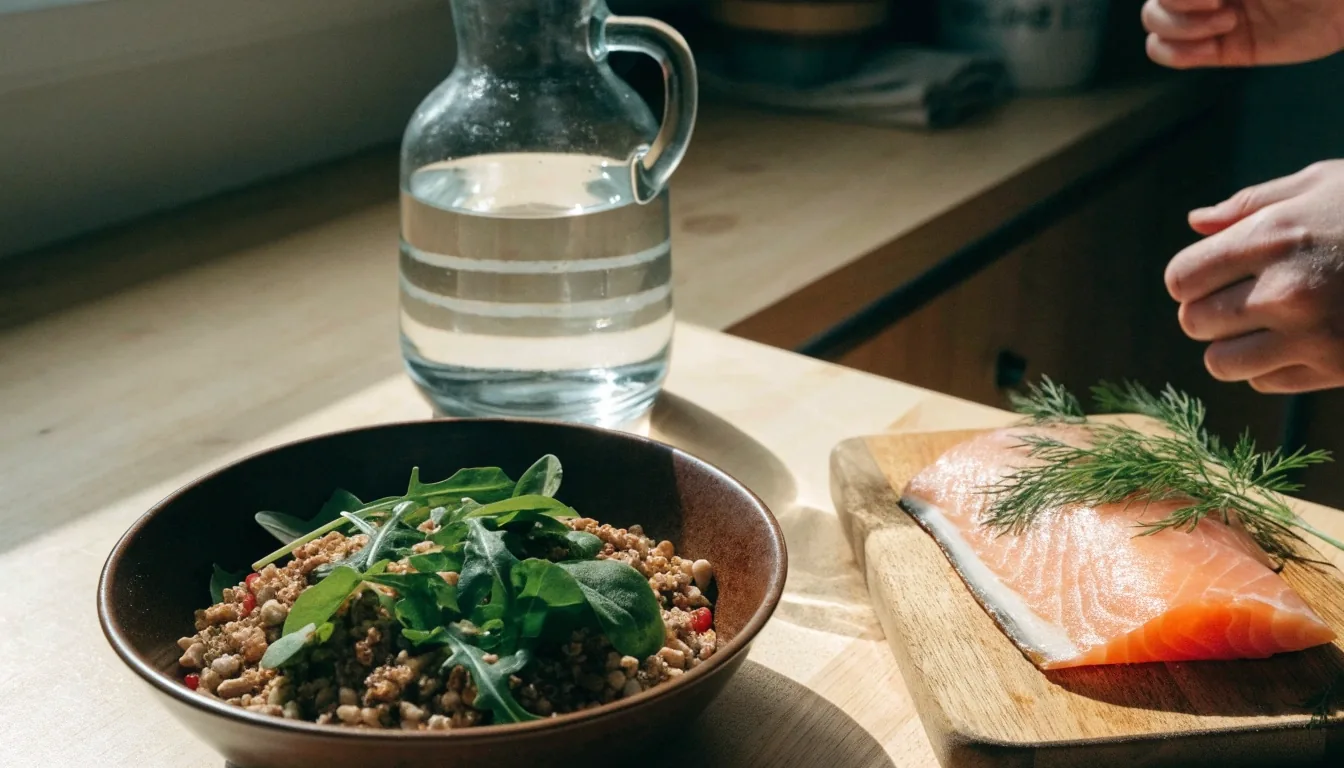
Finland's national nutrition recommendations put vegetables, fruits, berries and healthy fats at the centre, with sustainability as a stated goal. That is a solid baseline rather than a short-lived trend, and it lines up with what is easy to buy here: local fish, rye and oats, root vegetables, and berries in season.
Follow the general shape of that guidance and you are eating well by Finnish standards. You do not need a private plan or a shop that stocks imported superfoods — the ordinary grocery round the corner already carries the pieces.
Structure beats rigid rules, especially when the week is busy.
Building a plate that works
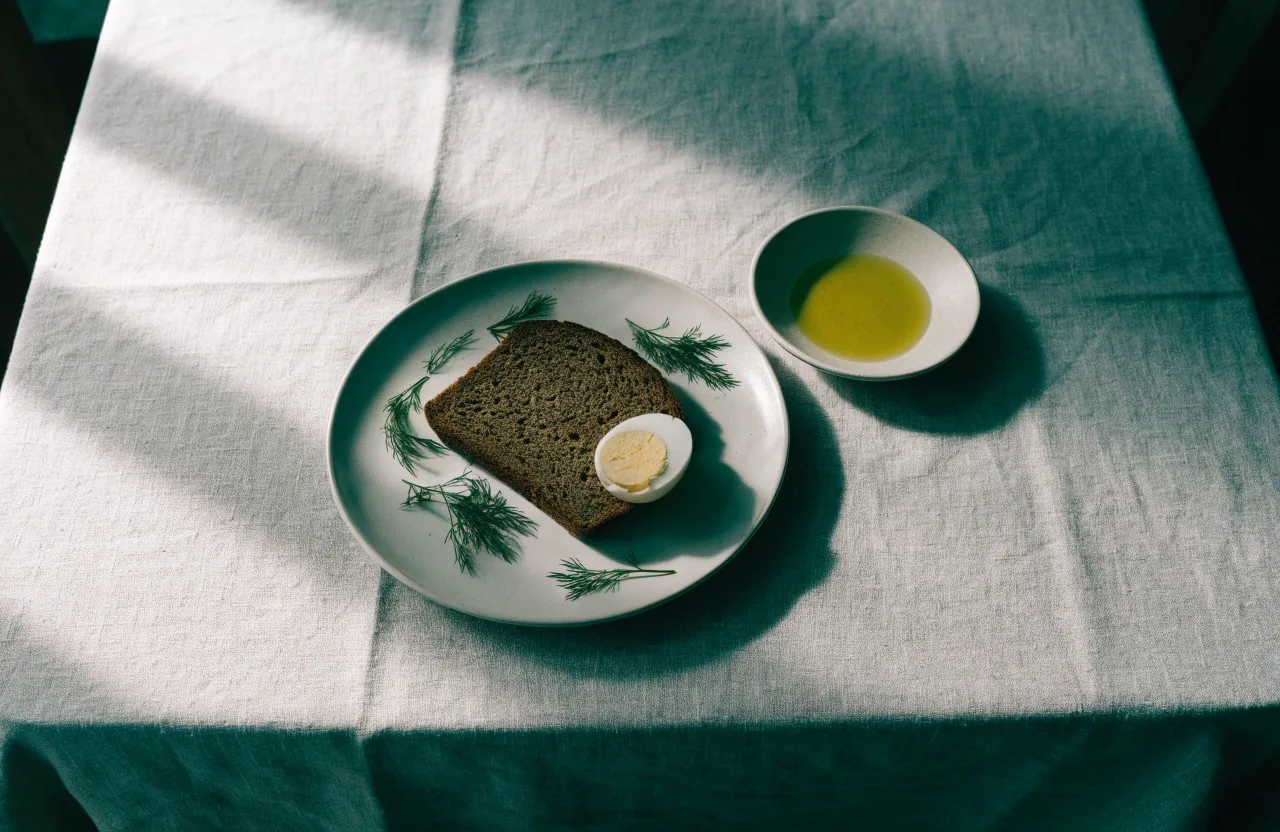
A simple structure helps more than a detailed menu. Fill a good portion of the plate with vegetables or salad, add a source of protein, and include a whole grain. That shape is flexible enough for a weekday and forgiving of an off day, and it keeps portions of the heavier items in check without counting anything.
The vegetable or salad share
Take the larger half of the plate. Anything from a bag of frozen mixed vegetables to a chopped cabbage salad counts — the point is the share, not the recipe.
One clear protein
Fish, eggs, chicken, dairy, legumes or tofu. One source per meal is enough, and it is what steadies appetite later in the evening.
A whole grain, not a pile
Rye, oats, barley or whole wheat pasta. A modest portion beside the protein, rather than filling the plate with it first.
Fish: why it keeps coming up
Fish appears in Finnish food guidance for good reason. It provides healthy fats, particularly the omega-3s that Nordic eating is known for, and it fits simple home cooking rather than restaurant cooking. A practical target is fish two to three times a week, alternating between oily fish such as salmon, Baltic herring or mackerel, and lighter options such as cod, perch or pike-perch.
Frozen and canned fish count, which matters for both budget and winter availability. When the fresh counter is thin in January, the freezer cabinet and the tinned shelf carry the same meal. The regularity matters more than the type on any single day.
Two to three fish meals a week — the target that keeps showing up in the guidance.
Plant-based eating without complications
Plant-forward meals fit comfortably within national guidance and sit alongside growing interest in vegan eating in Finland. The main things to watch are protein and, for vegans, vitamin B12 and iron.
Oats, legumes, tofu and whole grains carry a lot of the load, and all of them are ordinary supermarket items here. A bean-based soup, a lentil pasta or a tofu stir-fry are weekday options, not special-occasion cooking.
Compare keto and vegan diets
Everyday protein sources
Oats, beans, peas, lentils, tofu and whole grains. Mix two or three across the day rather than leaning on one.
What to plan for
Vitamin B12 and iron need attention on a fully vegan pattern. Ask your health service about testing and suitable supplements.
Healthy fats in a Nordic kitchen
Healthy fats show up naturally in Finnish cooking: oily fish, rapeseed oil, nuts, seeds and avocados. They add satiety as well as flavour, which is useful when you are managing appetite through a long afternoon. Vegetable oils and fish fats take priority over heavy processed sources — that is the guidance's ranking, not a ban on anything in particular.
Meal patterns and weight management
Weight management works better through meal structure than through punishment. Regular meals with protein and fibre tend to steady appetite and cut down on late-evening grazing, and a consistent pattern makes portion control automatic because you are not compensating for a missed meal.
Skipping breakfast and arriving ravenous at dinner is the common trap. Small structural changes hold up over months; dramatic cuts rarely do, and they are not what this guide is suggesting.
High-protein days without fuss
Protein is a practical lever for satiety and recovery, and it does not require powders. Eggs, fish, chicken, dairy, legumes and tofu cover the ground, and Finnish stores make all of them easy to find. Spread protein across meals rather than saving it for one evening plate.
Snacks for a busy workday
Office afternoons are where good intentions usually break. Keep options that need no preparation: skyr, cottage cheese, boiled eggs, nuts, or fruit with a spoonful of nut butter. Prepare them on Sunday or buy them in bulk so the decision is already made before you are hungry.

Shopping, budget, and season
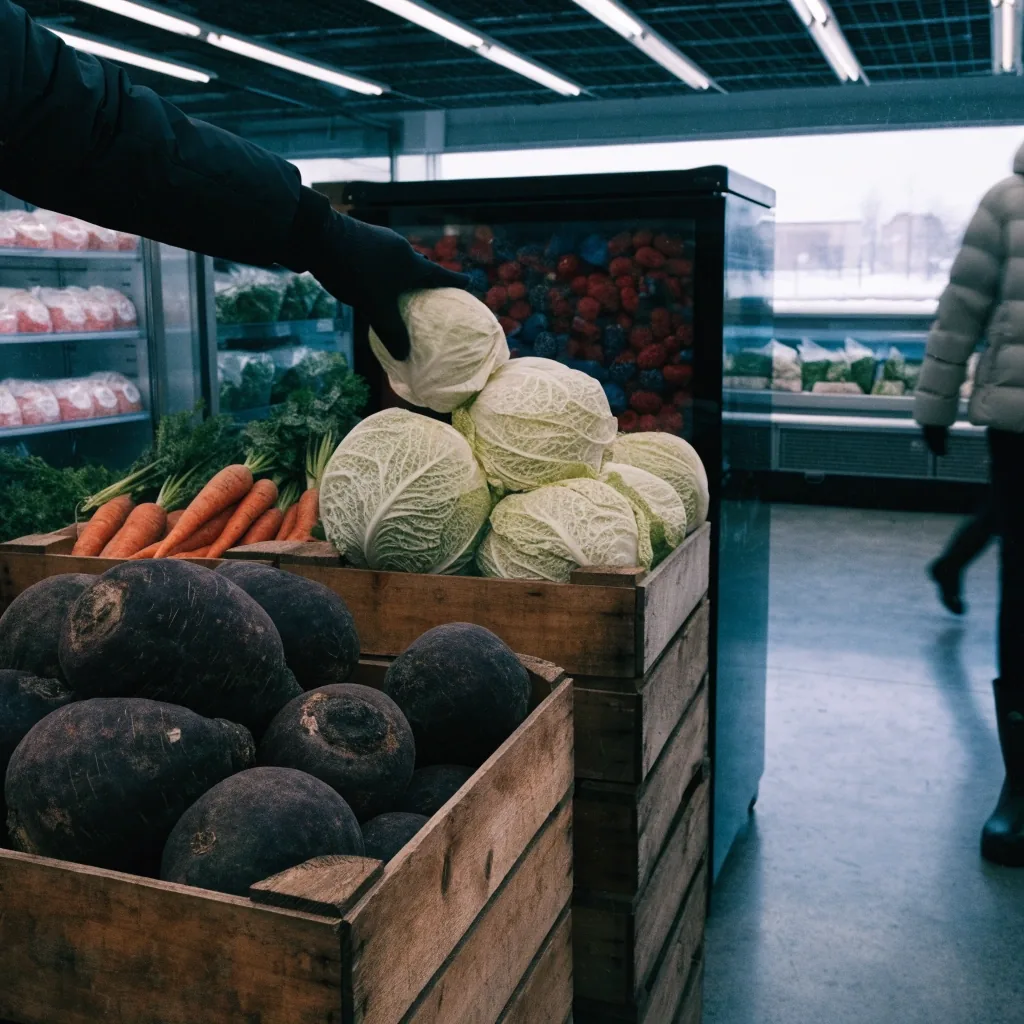
Finland's seasons shape both price and quality. Frozen vegetables and berries are cheap and nutritionally sound, which makes them a sensible base outside the growing season. Root vegetables, cabbage and oats are inexpensive staples that keep for weeks. Local fish varies through the year, so flexibility helps more than a fixed shopping list.
In season
Fresh berries in late summer, local fish through the open-water months, cabbage and root vegetables from autumn onward.
Out of season
Frozen vegetables and berries, tinned fish, oats and dried legumes. Cheaper, and just as useful as the fresh version.
What to skip
Nothing needs to be chased. A reasonable weekly shop covers healthy eating without buying whatever is currently fashionable.
Questions readers ask most
How often should I eat fish?
Finnish guidance generally points to fish two to three times a week, mixing oily fish with lighter options. Frozen and canned fish are fine. The regularity matters more than the type on any single day.
Do I need protein powder?
Most people can meet protein needs from food: eggs, fish, dairy, legumes and tofu. Powder is convenient, not essential. It helps when appetite is low or the day is chaotic, but it is not a requirement for a high-protein routine.
Is a vegan diet realistic in Finland?
Yes, especially given how much national guidance already leans toward plant-based eating. The main things to plan are protein sources, vitamin B12 and iron. Oats, legumes, tofu and whole grains make it manageable without exotic ingredients. If you are considering a fully vegan pattern, speak with your health service about testing and suitable supplements.
What are good high-protein snacks for work?
Skyr, cottage cheese, boiled eggs, nuts, and fruit with nut butter are all easy and need little or no preparation. Keeping them on hand removes the decision from a hungry afternoon, which is where most good intentions fail.
This guide is nutrition information, not medical advice. If you manage a health condition or take medication, speak with a qualified professional before changing your diet.
Where to go next
Eating patterns sit next to the rest of the week. Movement and sleep shape appetite and recovery just as much as what lands on the plate, so these two chapters are worth reading beside this one.
Have a specific question about your own pattern? Ask a nutrition question — we answer Monday to Friday, 9:00 AM – 6:00 PM.